

 English
 Dennis
 German
 Chiness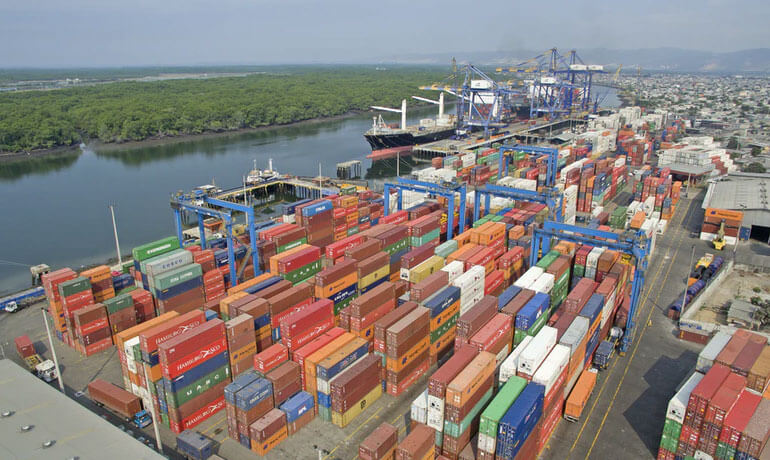
Exploring Connectivity: Road, Air, and Sea Transport
In today’s fast-paced world, transportation plays a vital role in connecting people, goods, and cultures. Whether you’re commuting to work, shipping products, or traveling across continents, the availability of road, air, and sea transport ensures that movement is not only possible but efficient and accessible.
Road Transport: The Backbone of Daily Mobility
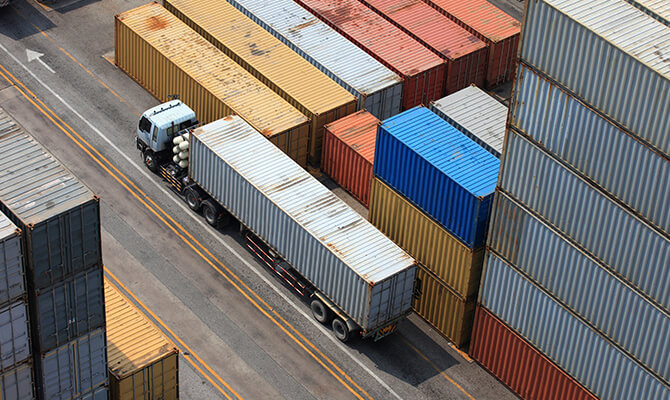
Road transport remains the most widely used mode of transportation. From personal cars and motorcycles to buses and trucks, roads provide flexibility and convenience for short and medium distances. They connect rural areas to urban centers, making it easier for people to access markets, schools, and healthcare services. Road networks also support last-mile delivery, ensuring goods reach their final destinations.
Air Transport: Speed and Global Reach
When time is of the essence, air transport stands out as the fastest option. Airplanes make it possible to travel across countries and continents within hours, shrinking the world in ways unimaginable just a century ago. Air transport is especially important for international trade, tourism, and emergency services. Although it can be more expensive, its speed and efficiency make it indispensable in a globalized economy.
Sea Transport: The Engine of Global Trade
Sea transport is the oldest form of long-distance transportation and remains crucial for international trade. Cargo ships carry massive quantities of goods across oceans at relatively low costs. From raw materials to finished products, sea routes connect continents and drive economic growth. While slower than air transport, its capacity and affordability make it ideal for bulk shipping.
A Balanced System
Each mode of transport has its strengths and limitations, but together they form an interconnected system that keeps the world moving. Roads handle local distribution, air transport covers long-distance travel quickly, and sea transport manages large-scale global trade.
In conclusion, the availability of road, air, and sea transport ensures seamless connectivity in our modern world. By complementing one another, these systems create a reliable network that supports economic development, cultural exchange, and everyday life.
- Integration of Transport System
- One of the most important aspects of modern transportation is how these three modes work together. This is known as intermodal transportation. For example, goods may be transported by ship across oceans, then moved by trucks on roads, and sometimes even flown by air to reach their final destination. This integration improves efficiency, reduces costs, and ensures timely delivery.
- The Role of Technology in Transportation
- Technology continues to transform transportation systems worldwide. GPS navigation, digital ticketing, and logistics tracking systems have made travel and shipping more efficient. Innovations such as electric vehicles, high-speed trains, and automated ports are shaping the future of transport. These advancements aim to reduce environmental impact while improving speed, safety, and convenience.
- Environmental and Sustainability Considerations
- As transportation grows, so does its impact on the environment. Road vehicles contribute to air pollution, airplanes emit greenhouse gases, and ships can harm marine ecosystems. To address these challenges, many countries are adopting greener solutions, such as electric cars, sustainable aviation fuel, and cleaner shipping technologies. Promoting public transportation and reducing unnecessary travel are also important steps toward sustainability.
VIRAL DREAMCATCHER KEYTAR TYPEWRITER, AESTHETIC OFFAL UMAMI. AESTHETIC POLAROID PUG
Hetmayar
In the ever-evolving world of internet culture, trends often emerge from the most unexpected combinations. One moment it’s vintage nostalgia, the next it’s abstract minimalism—and sometimes, it’s a surreal blend of everything at once. Welcome to the aesthetic universe of dreamcatchers, keytars, typewriters, and even a polaroid pug.